Physical Therapy with Dr. Robins
If pain, injury, surgery, or a chronic musculoskeletal condition is limiting your ability to move comfortably, physical therapy can play a vital role in restoring function and improving quality of life. Dr. Richard Judd Robins offers comprehensive physical therapy programs designed to reduce pain, improve mobility, strengthen muscles, and support long-term recovery. Whether you are recovering from orthopedic surgery, managing arthritis, healing from a sports injury, or seeking relief from chronic joint pain, Dr. Robins and his team provide personalized treatment plans focused on helping you return to your daily activities safely and efficiently. Patients throughout the area trust Dr. Robins for evidence-based rehabilitation and individualized care that promotes lasting results.
- Salt Lake City
- Farmington
- Salt Lake City
- Book An Appointment
Introduction
Physical Therapy often referred to as PT, is an exercise program that helps you to improve movement, relieve pain, encourage blood flow for faster healing, and restore your physical function and fitness level following an injury or surgery. It can be prescribed by your doctor as an individual treatment program or combined with other treatments and involves a combination of education, manual therapy, exercises, and techniques such as water therapy, heat, cold, electrical stimulation, and ultrasound.
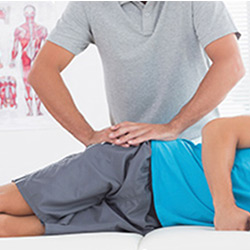
The main goal of physical therapy is to make your daily activities such as walking, getting in and out of bed, or climbing stairs easier through a tailored exercise program under the guidance of a physical therapist and enable a more active and healthier lifestyle.
What is a Physical Therapist?
A physical therapist is a well-trained, skilled health care professional who facilitates improving movement and manages pain by safe stretching, conditioning, and strengthening exercise techniques. A physical therapist will examine your symptoms and activity level and create a treatment plan which primarily focuses on reducing your symptoms and facilitating early recovery. The different procedures used by a physical therapist depend upon an individual’s specific physical complaints, necessities, and goals.
Indications for Physical Therapy
Physical therapy is usually recommended to help you recover after certain surgeries, injuries, and long-term health problems such as arthritis.
Some of the conditions that physical therapy can help treat or aid in preventing include:
- Musculoskeletal conditions such as arthritis, knee pain, back pain, and rotator cuff tears
- Sports-related injuries, such as tennis elbow and concussion
- Hand therapy for disorders such as trigger finger and carpal tunnel syndrome
- Neurological disorders such as spinal cord injuries and traumatic brain injuries
- Pediatric disorders such as muscular dystrophy and cerebral palsy
- Women’s health and pelvic floor dysfunction, such as urinary incontinence
- Cardiopulmonary disorders, such as chronic obstructive pulmonary disease (COPD) and post-myocardial infarction (MI)
Types of Physical Therapy
Some of the types of physical therapy include:
- Stretching Exercises: Surgery, age, and conditions such as arthritis and osteoporosis can cause inflammation and stiffness in your joints and muscles while restricting your movement. Physical therapists guide you step by step to stretch different areas of your body to restore flexibility and enhance the movement of joints and muscles.
- Core-strengthening and Stability Exercises: Specific exercises are designed to make the core (pelvis and lower back) strong enough to support the whole body.
- Hot/Cold Therapy: Applying heat or cold treatments to muscles can stimulate blood flow and reduce pain and swelling. Heat treatment helps to reduce joint pain and spasms in the lower back and neck and loosen muscles. Cooling works well for sprains and can decrease pain and swelling.
- Electrostimulation: In this procedure, an electric current is passed through the area which requires treatment. This helps to relieve pain, stimulate muscles and nerves, and expand blood vessels.
- Ultrasound: An ultrasound sends high-frequency sound waves over your body and stimulates deep body tissues. Vibrations produced by sound waves help to stimulate blood flow and facilitate the healing process. This procedure can also be used to improve metabolism and enhance the adhesiveness of bones after a fracture.
- Traction: This physical therapy method helps to take pressure off damaged or compressed joints. Traction can be performed with the therapist’s hands or a piece of equipment and is considered useful for people with degenerative disc conditions, lower back pain, and neck pain.
- Soft Tissue Manipulation: This is a form of manual physical therapy in which your physical therapist employs hands-on techniques on your muscles and ligaments to break up adhesions and optimize muscle function.
- Hydrotherapy: This type of therapy can be particularly helpful for individuals with joint injuries as water provides gentle resistance. Exercises are performed in a pool or whirlpool and the buoyancy that water offers helps reduce the impact you place on your joints while exercising.
Benefits of Physical Therapy
Some of the important benefits that physical therapy helps to achieve include:
- Alleviate or eliminate pain
- Improve range of motion
- Avoid disability or surgery
- Improve balance and prevent falls
- Manage bowel or bladder problems
- Recover from or prevent a sports injury
- Manage lung and heart conditions
- Recovery from childbirth
- Manage vascular conditions and diabetes
- Improve age-related conditions such as arthritis
Summary
Physical therapy is used to treat injuries, diseases, or deformities by application of various treatment modalities. With the supervision of your physical therapist, a well-structured physical therapy regimen consisting of stretching, strengthening, and stability exercises can help you achieve a quick recovery and return to your daily routines, as well as sports and other recreational activities.

Richard Judd Robins
MD, FAAOS, FAANA Dual Board Certified in Orthopaedic Surgery and Sports Medicine
Dr. Robins brings more than 26 years of experience in military service, orthopaedic surgery, sports medicine, clinical care, and academic leadership. Throughout his distinguished career, he has dedicated himself to caring for active-duty military personnel, athletes, and patients with complex orthopaedic injuries while advancing education, research, and mentorship in orthopaedic sports medicine.
Why Choose Dr. Robins for Physical Therapy?
Choosing the right provider for rehabilitation can significantly impact your recovery and long-term health. Dr. Robins offers patient-centered physical therapy programs tailored to your specific needs and goals.
Personalized Treatment Plans
Every patient is unique. Dr. Robins develops customized rehabilitation programs based on your condition, symptoms, activity level, and recovery objectives.
Comprehensive Orthopedic Expertise
With extensive experience treating orthopedic injuries and conditions, Dr. Robins integrates physical therapy into a complete treatment strategy for optimal outcomes.
Focus on Functional Recovery
The goal of therapy is not just pain relief but helping you regain strength, mobility, balance, and confidence to perform everyday activities.
Post-Surgical Rehabilitation
Physical therapy is an essential part of recovery after joint replacement, ligament repair, fracture treatment, and other orthopedic procedures. Dr. Robins provides coordinated care to support a safe and successful recovery.
Non-Surgical Pain Management
Many patients experience significant improvement through physical therapy alone, helping them avoid or delay more invasive treatments.
Patient Education and Long-Term Wellness
Dr. Robins emphasizes education, injury prevention, and home exercise programs to help patients maintain their progress and reduce the risk of future injuries.
Physical Therapy FAQs
What conditions can physical therapy treat?
Physical therapy can help treat arthritis, sports injuries, back and neck pain, tendon injuries, fractures, joint instability, muscle weakness, balance disorders, and post-surgical recovery.
How long does physical therapy take?
The length of treatment depends on your condition, severity of symptoms, and recovery goals. Some patients improve within a few weeks, while others may require several months of therapy.
Is physical therapy painful?
Some exercises may cause mild soreness as your body adapts to treatment, but therapy should not cause severe pain. Your therapist will adjust the program to ensure safe progress.
Can physical therapy help me avoid surgery?
In many cases, yes. Physical therapy can strengthen muscles, improve joint mechanics, reduce pain, and restore function, potentially delaying or eliminating the need for surgery.
When should I start physical therapy after surgery?
The timing varies depending on the procedure. Many patients begin rehabilitation shortly after surgery under the guidance of Dr. Robins and the rehabilitation team.
What should I wear to my physical therapy appointment?
Wear comfortable clothing that allows easy movement and provides access to the area being treated. Athletic shoes are typically recommended.
Will I receive exercises to do at home?
Yes. Home exercise programs are an important part of recovery and help reinforce the progress made during therapy sessions.
Schedule a Physical Therapy Consultation with Dr. Robins
Whether you are recovering from surgery, managing a chronic orthopedic condition, or seeking relief from pain and mobility limitations, physical therapy can help you regain strength, flexibility, and function. Dr. Robins is committed to providing personalized rehabilitation programs designed to help patients achieve their recovery goals and return to the activities they enjoy.
Contact Dr. Robins today to schedule a consultation and learn how a customized physical therapy program can support your recovery, improve mobility, and enhance your overall quality of life.