Expert ACL Reconstruction for Athletes & Active Individuals
A torn anterior cruciate ligament (ACL) can make your knee feel unstable, painful, and unable to support the activities you love. Whether your injury occurred during sports, exercise, or an accident, prompt evaluation and appropriate treatment are essential to restore knee stability and prevent further damage.
Dr. Richard Judd Robins, a dual board-certified orthopaedic surgeon with subspecialty certification in Orthopaedic Sports Medicine, specializes in advanced ACL reconstruction for patients throughout Salt Lake City, Park City, Farmington, South Jordan, and surrounding Utah communities. Using modern arthroscopic techniques and individualized rehabilitation plans, Dr. Robins helps patients safely return to sports, work, and active lifestyles.
- Salt Lake City
- Farmington
- Salt Lake City
- Book An Appointment
What is ACL Reconstruction?
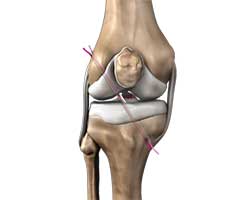
ACL reconstruction is a minimally invasive surgical procedure used to replace a torn anterior cruciate ligament (ACL), one of the primary ligaments responsible for stabilizing the knee. Rather than repairing the damaged ligament, the torn ACL is reconstructed using a tendon graft, which serves as a new ligament while the body gradually incorporates it into the knee.
The procedure is commonly recommended for patients who wish to return to sports or physically demanding activities, or for those experiencing persistent knee instability after an ACL injury.
What are the Benefits of ACL Reconstruction?
ACL reconstruction is designed to restore knee stability and improve long-term joint function. Potential benefits include:
- Restores knee stability during daily activities and sports
- Helps prevent repeated episodes of the knee "giving way"
- Improves confidence during movement and athletic participation
- Reduces the risk of additional damage to the meniscus and cartilage
- Restores knee function and range of motion
- Allows many patients to return to sports and recreational activities
- Improves overall quality of life and physical activity
- Provides durable, long-term knee stability for appropriately selected patients
Every patient's recovery and outcome depend on the severity of the injury, associated knee damage, rehabilitation, and activity level.
When is ACL Reconstruction Recommended?
Not every ACL tear requires surgery. Dr. Robins performs a comprehensive evaluation to determine whether ACL reconstruction is the most appropriate treatment.
ACL reconstruction may be recommended if you have:
- A complete ACL tear causing knee instability
- Frequent episodes of the knee buckling or giving way
- A desire to return to pivoting or cutting sports
- Associated meniscus or cartilage injuries
- Multiple ligament injuries
- Persistent instability despite physical therapy
- An active lifestyle requiring a stable knee for work or recreation
- Recurrent ACL injuries requiring revision surgery
Treatment recommendations are individualized based on your age, activity level, overall knee health, and personal goals.
What Does Preparation for ACL Reconstruction Involve?
Preparing for surgery helps optimize your recovery and surgical outcome.
Before your procedure, Dr. Robins will:
- Perform a detailed physical examination
- Review your MRI and X-ray findings
- Discuss graft options and surgical recommendations
- Review your medical history and current medications
- Explain the surgical procedure and expected recovery timeline
- Provide preoperative instructions regarding fasting and medications
- Recommend prehabilitation exercises to improve strength and range of motion before surgery
Patients should also arrange transportation home and assistance during the first few days following surgery.
How is ACL Reconstruction Performed?
ACL reconstruction is typically performed as an outpatient arthroscopic procedure under general anesthesia, often combined with a regional nerve block for postoperative pain management.
During surgery, Dr. Robins:
- Creates several small incisions around the knee.
- Inserts a miniature camera (arthroscope) to evaluate the knee joint.
- Removes the torn ACL tissue.
- Prepares tunnels within the femur and tibia.
- Places the tendon graft into the knee.
- Secures the graft using specialized fixation devices.
- Confirms proper knee stability and range of motion.
- Closes the incisions and applies sterile dressings.
Because arthroscopy requires only small incisions, patients generally experience less pain, minimal scarring, and faster recovery compared to traditional open surgery.
What to Expect During Recovery After ACL Reconstruction?
Recovery after ACL reconstruction is a gradual process that combines healing with progressive rehabilitation.
Recovery typically includes:
- Walking with crutches for a short period
- Wearing a knee brace when indicated
- Early physical therapy to restore motion
- Progressive strengthening exercises
- Balance and neuromuscular training
- Sport-specific rehabilitation
- Gradual return to running, pivoting, and athletic activities
Many patients resume daily activities within several weeks, while returning to competitive sports often requires 9 to 12 months, depending on healing, strength, and functional testing.
Following your rehabilitation program is one of the most important factors in achieving a successful outcome.
What are the Risks and Complications of ACL Reconstruction?
Although ACL reconstruction is considered a safe and highly successful procedure, all surgery carries potential risks.
Possible complications include:
- Infection
- Bleeding
- Blood clots
- Knee stiffness
- Persistent pain or swelling
- Graft failure or re-tear
- Nerve or blood vessel injury
- Limited range of motion
- Hardware-related irritation
- Need for revision surgery
Dr. Robins utilizes advanced arthroscopic techniques and evidence-based surgical protocols to minimize these risks whenever possible.
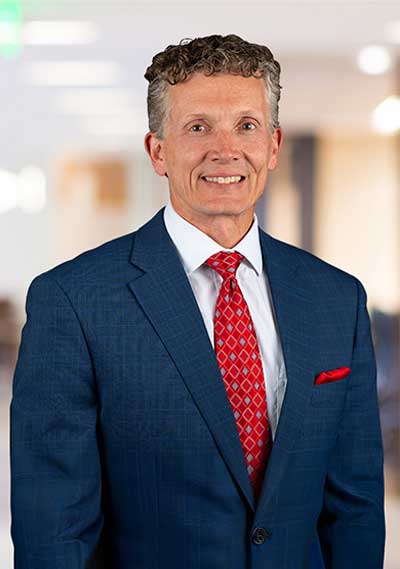
Richard Judd Robins
MD, FAAOS, FAANA Dual Board Certified in Orthopaedic Surgery and Sports Medicine
Dr. Robins brings more than 26 years of experience in military service, orthopaedic surgery, sports medicine, clinical care, and academic leadership. Throughout his distinguished career, he has dedicated himself to caring for active-duty military personnel, athletes, and patients with complex orthopaedic injuries while advancing education, research, and mentorship in orthopaedic sports medicine.
Why Choose Dr. Richard Judd Robins for ACL Reconstruction?
Choosing an experienced sports medicine surgeon is an important part of achieving the best possible outcome after an ACL injury.
Dr. Robins offers:
- Dual board certification in Orthopaedic Surgery and Orthopaedic Sports Medicine
- Fellowship training in Orthopaedic Sports Medicine
- Extensive experience treating collegiate athletes, military personnel, and active individuals
- Advanced expertise in arthroscopic knee surgery
- Personalized treatment plans based on your goals and activity level
- Comprehensive care from diagnosis through rehabilitation
- Commitment to helping patients safely return to sports and active lifestyles
Whether you're a competitive athlete or simply want to regain a stable, pain-free knee, Dr. Robins is dedicated to helping you recover with confidence.
ACL Reconstruction FAQs
Is ACL reconstruction always necessary?
No. Some patients with partial tears or lower activity demands may achieve excellent results with physical therapy, bracing, and rehabilitation. Surgery is generally recommended for patients with significant instability or those wishing to return to pivoting sports.
Which graft is best for ACL reconstruction?
Several graft options are available, including patellar tendon, hamstring tendon, quadriceps tendon, and donor (allograft) tissue. Dr. Robins will recommend the most appropriate graft based on your age, activity level, and individual needs.
How long does ACL reconstruction surgery take?
Most procedures are completed in approximately one to two hours, although surgical time varies depending on the complexity of the injury and whether additional procedures are performed.
When can I walk after ACL reconstruction?
Most patients begin walking with crutches shortly after surgery. Weight-bearing recommendations vary depending on associated injuries and the specific procedure performed.
When can I return to sports?
Many athletes return to sports approximately 9 to 12 months after surgery, once strength, stability, and functional testing demonstrate that the knee is ready for safe participation.
Can an ACL tear heal without surgery?
Complete ACL tears generally do not heal on their own. Some patients can successfully manage symptoms without surgery through rehabilitation, while others require reconstruction to restore knee stability.
Schedule an ACL Reconstruction Consultation in Salt Lake City, UT
If you've experienced an ACL injury or are struggling with knee instability, don't let your condition keep you from living an active life. Dr. Richard Judd Robins provides expert evaluation and advanced ACL reconstruction for patients throughout Salt Lake City, Park City, Farmington, South Jordan, and surrounding Utah communities.
Schedule your consultation today to learn more about your treatment options and take the first step toward restoring knee stability, returning to sports, and getting back to the activities you enjoy.