
Expert Hip Labral Repair for Hip Pain & Active Lifestyles
A torn hip labrum can cause persistent hip pain, clicking, catching sensations, stiffness, and limited mobility that interfere with sports, exercise, and everyday activities. Left untreated, a labral tear may contribute to ongoing discomfort and joint dysfunction, making it important to seek evaluation from a qualified hip specialist.
Dr. Richard Judd Robins, a dual board-certified orthopaedic surgeon with subspecialty certification in Orthopaedic Sports Medicine, provides advanced hip labral repair for patients throughout Salt Lake City, Park City, Farmington, South Jordan, and surrounding Utah communities. Using minimally invasive arthroscopic techniques and personalized treatment plans, Dr. Robins helps patients relieve pain, restore hip stability, and return to the activities they enjoy.
- Salt Lake City
- Farmington
- Salt Lake City
- Book An Appointment
What is Hip Labral Repair?
Hip labral repair is a surgical procedure to treat hip labral tears. A hip labral tear is a partial or complete rupture of the hip labrum, a ring of fibrous cartilaginous tissue that surrounds the socket of the hip joint. These tears are most commonly seen in athletes involved in high-impact sports such as ice hockey, soccer, and football and can also occur due to traumatic injury or degenerative conditions.
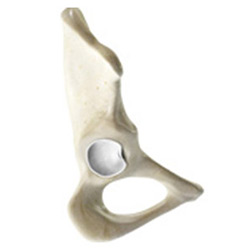
What is Anatomy of the Hip Labrum?
The hip labrum is a fibrocartilaginous tissue lining the socket of the hip joint. It acts as a shock absorber, lubricates the joint, deepens the socket to provide stability to the hip, and helps in distributing the pressure equally on the hip joint. The labrum holds the femoral head in place and prevents side to side or vertical movement of the femoral head within the joint.
What are the Causes of Hip Labral Tears?
Causes for hip labral tears include:
- Physical trauma
- Arthritis
- Hip hypermobility
- Dysplasia
- Femoroacetabular impingement
- Hip degeneration
- Hip dislocation
- Hip subluxation
What are the Indications for Hip Labral Repair?
Minor hip labral tears may be treated with non-surgical options such as medications, rest, and physical therapy. Your doctor will recommend surgery for hip labral repair if you have persistent pain in the hip with weight-bearing, and restricted range of motion; and you have adequate labral tissue available to perform the repair.
What is the Procedure Involved in Hip Labral Repair?
This is a minimally invasive procedure in which your doctor will make small incisions and will insert a long thin flexible tube (arthroscope) with a camera inside the hip joint. This will produce images that help your doctor to view the inside of the hip. A sterile solution will then be pumped into the hip joint to improve visualization and expand the joint so your surgeon will have more room to repair the labral tear. Specialized instruments will then be inserted to remove the damaged tissue and repair the torn labrum or identify the torn area and attach it to the acetabulum (hip socket). The arthroscope and instruments are then removed and the incision is closed.
What Does Postoperative Care for Hip Labral Repair Involve?
Your doctor will advise you to take certain precautions to promote a faster recovery and prevent complications. These include
- Taking pain medications for 3 to 4 days
- Using crutches for up to 2-4 weeks
- Performing physical therapy exercises to restore hip function and improve flexibility
- Avoiding prolonged sitting
- Avoiding lifting heavy weights and performing strenuous activities
What are the Risks and Complications of Hip Labral Repair?
The risk of complications associated with hip labral repair surgery include
- Infection
- Failure to obtain pain relief
- Damage to blood vessels
- Nerve damage
- Deep vein thrombosis

Richard Judd Robins
MD, FAAOS, FAANA Dual Board Certified in Orthopaedic Surgery and Sports Medicine
Dr. Robins brings more than 26 years of experience in military service, orthopaedic surgery, sports medicine, clinical care, and academic leadership. Throughout his distinguished career, he has dedicated himself to caring for active-duty military personnel, athletes, and patients with complex orthopaedic injuries while advancing education, research, and mentorship in orthopaedic sports medicine.
Why Choose Dr. Richard Judd Robins for Hip Labral Repair?
Choosing an experienced sports medicine surgeon is essential for achieving the best possible outcome after a hip labral injury. Proper diagnosis, precise surgical repair, and structured rehabilitation all play important roles in recovery.
Dr. Robins offers:
- Dual board certification in Orthopaedic Surgery and Orthopaedic Sports Medicine
- Fellowship training in Orthopaedic Sports Medicine
- Extensive experience treating athletes, military personnel, and active adults
- Advanced expertise in minimally invasive hip arthroscopy and labral repair procedures
- Comprehensive treatment for labral tears, femoroacetabular impingement (FAI), and related hip conditions
- Personalized treatment plans tailored to your symptoms, activity level, and recovery goals
- Comprehensive care from diagnosis through rehabilitation and return to activity
Whether your injury resulted from sports participation, trauma, or a structural hip condition, Dr. Robins is committed to helping you achieve lasting pain relief and improved hip function.
Hip Labral Repair FAQs
What is a hip labral tear?
A hip labral tear is damage to the ring of cartilage that surrounds the hip socket. The labrum helps stabilize the hip joint, absorb shock, and support smooth joint movement.
What are the symptoms of a hip labral tear?
Common symptoms include hip pain, clicking or locking sensations, stiffness, reduced range of motion, groin discomfort, and pain during physical activity or prolonged sitting.
When is hip labral repair recommended?
Hip labral repair may be recommended when conservative treatments such as rest, medications, and physical therapy fail to relieve symptoms and sufficient healthy labral tissue remains available for repair.
Is hip labral repair performed arthroscopically?
Yes. Most hip labral repairs are performed using minimally invasive arthroscopic techniques through small incisions, allowing for less tissue disruption and a faster recovery compared to open surgery.
How long does recovery take after hip labral repair?
Recovery varies depending on the extent of the injury and repair. Most patients use crutches for several weeks and participate in physical therapy to gradually restore strength, mobility, and function.
Can I return to sports after hip labral repair?
Many patients successfully return to sports and physical activities after completing rehabilitation. The timeline depends on healing, strength, flexibility, and the demands of the specific sport.
Schedule a Hip Labral Repair Consultation in Salt Lake City, UT
If hip pain, stiffness, or mechanical symptoms are preventing you from enjoying your favorite activities, expert care can help you find lasting relief. Dr. Richard Judd Robins provides advanced hip labral repair and comprehensive sports medicine care for patients throughout Salt Lake City, Park City, Farmington, South Jordan, and surrounding Utah communities.
Schedule your consultation today to learn more about your treatment options and discover whether hip labral repair can help restore hip stability, improve mobility, and get you back to the sports, work, and activities you enjoy.