Expert Reverse Shoulder Replacement for Complex Shoulder Conditions
Severe shoulder pain, weakness, and limited mobility can significantly affect your ability to perform everyday activities. For patients with rotator cuff tear arthropathy, irreparable rotator cuff tears, or failed previous shoulder procedures, reverse shoulder replacement may provide an effective solution for restoring function and reducing pain when traditional shoulder replacement is not appropriate.
Dr. Richard Judd Robins, a dual board-certified orthopaedic surgeon with subspecialty certification in Orthopaedic Sports Medicine, specializes in advanced reverse shoulder replacement for patients throughout Salt Lake City, Park City, Farmington, South Jordan, and surrounding Utah communities. Using modern surgical techniques and individualized rehabilitation plans, Dr. Robins helps patients regain shoulder function, improve mobility, and return to a more active lifestyle.
- Salt Lake City
- Farmington
- Salt Lake City
- Book An Appointment
What is Reverse Shoulder Replacement?
Conventional surgical methods such as total shoulder joint replacement are not very effective in the treatment of rotator cuff arthropathy. Reverse total shoulder replacement is an advanced surgical technique specifically designed for rotator cuff tear arthropathy, a condition where you suffer from both shoulder arthritis and a rotator cuff tear.
What is the Difference between Conventional and Reverse Shoulder Replacement?
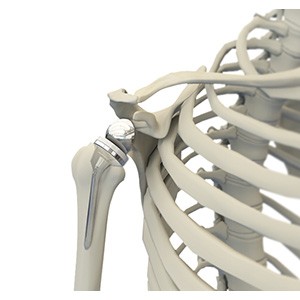
Conventional shoulder replacement surgery involves replacing the ball of the humerus with a metal ball and the glenoid cavity of the shoulder blade (scapula) with a plastic socket. If this surgery is used to treat rotator cuff arthropathy, it may result in implant loosening due to the torn rotator cuff. Therefore, a specifically designed surgery was developed called reverse total shoulder replacement to be employed in such cases.
In reverse total shoulder replacement, the placement of the artificial components is essentially reversed. In other words, the humeral ball is placed in the glenoid cavity of the shoulder blade (scapula) and the plastic socket is placed on top of the arm bone. This design makes efficient use of the deltoid muscle, the large shoulder muscle, to compensate for the torn rotator cuff.
Who are the Ideal candidates for Reverse Shoulder Replacement?
Reverse total shoulder replacement may be recommended for the following conditions:
- Completely torn rotator cuff that is difficult to repair
- Presence of rotator cuff tear arthropathy
- Previous unsuccessful shoulder replacement
- Severe shoulder pain and difficulty in performing overhead activities
- Continued pain despite other treatments such as rest, medications, cortisone injections and physical therapy
What is the Procedure for Reverse Shoulder Replacement?
Reverse total shoulder replacement surgery is performed under general anesthesia.
- Richard Judd Robins, MD makes an incision over the affected shoulder to expose the joint.
- The humerus is separated from the glenoid socket of the scapula.
- The arthritic parts of the humeral head and the socket are removed and prepared for the insertion of the artificial components.
- The artificial components include the metal ball that is screwed into the shoulder socket and the plastic cup that is cemented into the upper arm bone.
- The artificial components are fixed in place.
- The joint capsule is stitched together, the tissues approximated and the wound is closed with sutures.
What Does Postoperative Care for Reverse Shoulder Replacement Involve?
You can get out of bed on the same day of the surgery but will usually have to stay in the hospital for 1-2 days. General postoperative instructions include:
- Take all prescribed medications as instructed.
- Undergo a gentle range of motion exercises to increase your shoulder mobility.
- Physical therapy will be recommended to strengthen the shoulder and improve flexibility.
- Avoid overhead activities for at least 6 weeks.
- Don’t push yourself up out of a chair or bed using your shoulder muscles.
- Avoid lifting heavy objects.
What are the Risks and Complications of Reverse Shoulder Replacement?
The possible risks and complications associated with reverse total shoulder replacement surgery include:
- Infection
- Dislocation or instability of the implanted joint
- Fracture of the humerus or scapula
- Damage to nerves or blood vessels
- Blood clots (deep vein thrombosis)
- Wound irritation
- Arm length discrepancies
- Wearing out of the components
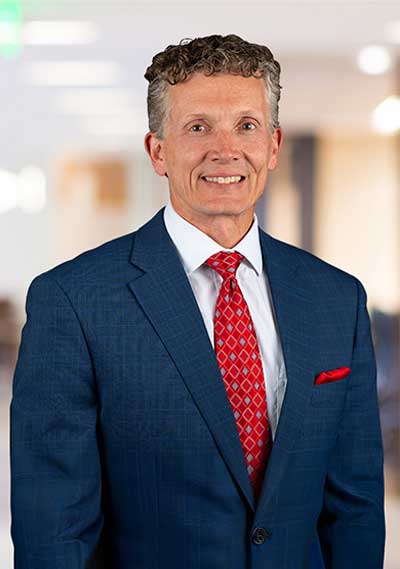
Richard Judd Robins
MD, FAAOS, FAANA Dual Board Certified in Orthopaedic Surgery and Sports Medicine
Dr. Robins brings more than 26 years of experience in military service, orthopaedic surgery, sports medicine, clinical care, and academic leadership. Throughout his distinguished career, he has dedicated himself to caring for active-duty military personnel, athletes, and patients with complex orthopaedic injuries while advancing education, research, and mentorship in orthopaedic sports medicine.
Why Choose Dr. Richard Judd Robins for Reverse Shoulder Replacement?
Reverse shoulder replacement requires specialized expertise in treating complex shoulder conditions. Successful outcomes depend on accurate diagnosis, careful surgical planning, and a comprehensive rehabilitation program.
Dr. Robins offers:
- Dual board certification in Orthopaedic Surgery and Orthopaedic Sports Medicine
- Fellowship training in Orthopaedic Sports Medicine
- Extensive experience treating complex shoulder injuries and degenerative conditions
- Advanced expertise in shoulder reconstruction and replacement surgery
- Comprehensive evaluation of rotator cuff tears, arthritis, and failed prior shoulder procedures
- Personalized treatment plans tailored to your condition, goals, and activity level
- Comprehensive care from diagnosis through recovery and rehabilitation
- Commitment to helping patients restore function and improve quality of life
Whether you are experiencing severe arthritis, a massive rotator cuff tear, or ongoing shoulder dysfunction, Dr. Robins is dedicated to providing expert care designed to help you achieve the best possible outcome.
Reverse Shoulder Replacement FAQs
What is reverse shoulder replacement?
Reverse shoulder replacement is a specialized shoulder replacement procedure that reverses the position of the ball and socket components of the shoulder joint. This design allows the deltoid muscle to compensate for a damaged or nonfunctional rotator cuff.
Who is a candidate for reverse shoulder replacement?
Patients with rotator cuff tear arthropathy, irreparable rotator cuff tears, failed previous shoulder replacements, severe shoulder arthritis, or significant shoulder weakness may be candidates for reverse shoulder replacement.
How is reverse shoulder replacement different from traditional shoulder replacement?
Traditional shoulder replacement relies on a functioning rotator cuff to move the shoulder. Reverse shoulder replacement changes the mechanics of the joint, allowing the deltoid muscle to provide movement when the rotator cuff is severely damaged.
How long does reverse shoulder replacement surgery take?
Most procedures take approximately one to two hours, depending on the complexity of the condition and whether previous surgeries have been performed.
What is recovery like after reverse shoulder replacement?
Patients typically begin gentle movement exercises shortly after surgery. Physical therapy plays an important role in recovery, and improvement in strength and function continues over several months.
How long does a reverse shoulder replacement last?
Modern shoulder implants are designed for long-term durability. Many patients experience significant pain relief and improved function for many years following surgery.
Schedule a Reverse Shoulder Replacement Consultation in Salt Lake City, UT
If chronic shoulder pain, weakness, or loss of function is limiting your daily activities, reverse shoulder replacement may help restore mobility and improve your quality of life. Dr. Richard Judd Robins provides advanced shoulder reconstruction and replacement care for patients throughout Salt Lake City, Park City, Farmington, South Jordan, and surrounding Utah communities.
Schedule your consultation today to learn more about your treatment options and whether reverse shoulder replacement can help relieve pain, improve shoulder function, and help you return to the activities you enjoy with greater confidence and comfort.