Advanced Minimally Invasive Shoulder Arthroscopy for Pain Relief and Improved Function
Shoulder pain can make everyday activities such as reaching overhead, lifting objects, exercising, and even sleeping uncomfortable. When non-surgical treatments no longer provide adequate relief, shoulder arthroscopy may offer an effective minimally invasive solution to diagnose and treat a wide range of shoulder conditions while minimizing tissue disruption and recovery time.
Dr. Richard Judd Robins is a dual board-certified orthopaedic surgeon with subspecialty certification in Orthopaedic Sports Medicine who provides advanced shoulder arthroscopy for patients throughout Salt Lake City, Park City, Farmington, South Jordan, and surrounding Utah communities. Using state-of-the-art arthroscopic techniques, Dr. Robins treats shoulder injuries and conditions with the goal of relieving pain, restoring function, and helping patients return to the activities they enjoy.
- Salt Lake City
- Farmington
- Salt Lake City
- Book An Appointment
What is Shoulder Anatomy?
The shoulder joint is made up of a ball and socket joint, where the head of the humerus (upper arm bone) articulates with the socket of the scapula (shoulder blade), which is called the glenoid. The two articulating surfaces of the bones are covered with cartilage, which prevents friction between the moving bones, enabling smooth movement. Tendons and ligaments around the shoulder joint provide strength and stability to the joint.
What is Shoulder Arthroscopy?
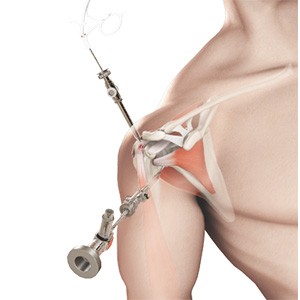
Arthroscopy is a minimally invasive diagnostic and surgical procedure performed for joint problems. Shoulder arthroscopy is performed using a pencil-sized instrument called an arthroscope. The arthroscope consists of a light system and camera that projects images of the surgical site onto a computer screen for your doctor to clearly view. Arthroscopy is used to treat disease conditions and injuries involving the bones, cartilage, tendons, ligaments, and muscles of the shoulder joint.
What are the Indications for Shoulder Arthroscopy?
Shoulder arthroscopy is indicated to treat the following shoulder conditions when conservative treatment such as medication and therapy fail to relieve pain and disability:
- Shoulder impingement
- Rotator cuff tear
- Frozen shoulder or stiffness of the shoulder joint
- Shoulder instability
- Biceps rupture
- Damaged cartilage or ligaments
- Bone spurs or bony projections
- Arthritis of the collarbone
What is the Procedure for Shoulder Arthroscopy?
Your surgeon performs shoulder arthroscopy under general or regional anesthesia. You may be positioned lying down on your side with your arm propped up or sitting in a semi-seated position. Sterile fluid is injected into the shoulder joint to expand the surgical area, so your surgeon has a clear view of the damage and room to work. A button-sized hole is made in the shoulder and the arthroscope is inserted. Your surgeon can view images captured by the camera in the arthroscope on a large monitor. Surgical instruments are introduced into the joint through separate small holes to remove and repair the damage to the joint. After surgery, the instruments are removed, and the incisions are closed with stitches or small sterile bandage strips.
What Does Postoperative Care for Shoulder Arthroscopy Involve?
After the surgery, the small surgical wounds take a few days to heal and the surgical dressing is replaced by simple Band-Aids. The recovery time depends on the type and extent of the problem for which the procedure was performed. Pain medications are prescribed to keep you comfortable. The arm of the affected shoulder is placed in a sling for a short period. Physical therapy is advised to improve shoulder mobility and strength after the surgery.
What are the Advantages of Shoulder Arthroscopy?
The advantages of arthroscopy compared to open surgery with a large incision include:
- Less pain
- Fewer complications
- Shorter hospital stays
- Faster recovery
What are the Risks and Complications of Shoulder Arthroscopy?
Complications of shoulder arthroscopy include infection, bleeding, damage to nearby nerves or blood vessels, or delayed healing after the surgery. In certain cases, stiffness of the shoulder joint may occur after the surgery. It is important to participate actively in your physical therapy to prevent this from occurring.
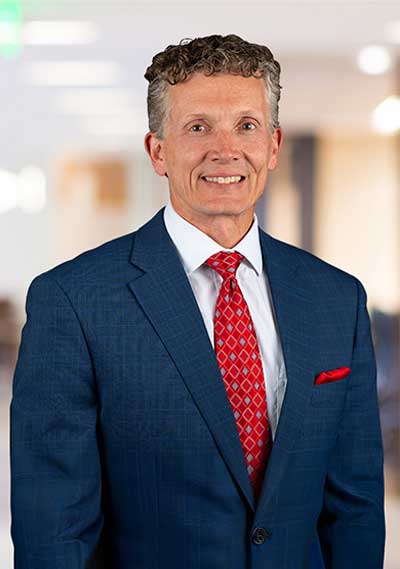
Richard Judd Robins
MD, FAAOS, FAANA Dual Board Certified in Orthopaedic Surgery and Sports Medicine
Dr. Robins brings more than 26 years of experience in military service, orthopaedic surgery, sports medicine, clinical care, and academic leadership. Throughout his distinguished career, he has dedicated himself to caring for active-duty military personnel, athletes, and patients with complex orthopaedic injuries while advancing education, research, and mentorship in orthopaedic sports medicine.
Why Choose Dr. Robins for Shoulder Arthroscopy?
Choosing an experienced sports medicine specialist is important when considering shoulder arthroscopy. Dr. Robins combines advanced surgical expertise with individualized care to help patients achieve the best possible outcomes.
Dr. Robins offers:
- Dual board certification in Orthopaedic Surgery and Orthopaedic Sports Medicine
- Fellowship training in Orthopaedic Sports Medicine
- Extensive experience treating shoulder injuries in athletes and active adults
- Advanced expertise in minimally invasive arthroscopic shoulder procedures
- Comprehensive evaluation and personalized treatment planning
- Focus on preserving shoulder function and mobility
- Individualized rehabilitation programs designed for optimal recovery
- Dedicated care from diagnosis through postoperative rehabilitation
Whether you are dealing with a rotator cuff tear, shoulder instability, impingement, or another shoulder condition, Dr. Robins is committed to helping you regain comfort, strength, and confidence in your shoulder.
Shoulder Arthroscopy FAQs
What conditions can be treated with shoulder arthroscopy?
Shoulder arthroscopy is commonly used to treat rotator cuff tears, shoulder impingement, labral tears, shoulder instability, frozen shoulder, biceps tendon injuries, bone spurs, and certain forms of arthritis.
Is shoulder arthroscopy considered minimally invasive?
Yes. Shoulder arthroscopy is a minimally invasive procedure performed through small incisions using a tiny camera and specialized instruments. This approach typically results in less pain, less tissue damage, and faster recovery compared to traditional open surgery.
How long does shoulder arthroscopy take?
The procedure generally takes between 30 minutes and 2 hours depending on the condition being treated and the complexity of the repair.
Will I need physical therapy after shoulder arthroscopy?
Yes. Physical therapy is an important part of recovery. A customized rehabilitation program helps restore range of motion, strengthen the shoulder, and support a safe return to normal activities.
How long is recovery after shoulder arthroscopy?
Recovery varies depending on the procedure performed. Some patients return to light activities within a few weeks, while more complex repairs such as rotator cuff surgery may require several months of rehabilitation.
When can I return to sports or exercise?
Return-to-sport timelines depend on the specific condition treated and your progress during rehabilitation. Many patients can gradually resume athletic activities once strength, mobility, and shoulder stability have been restored.
Schedule a Shoulder Arthroscopy Consultation in Salt Lake City, UT
If shoulder pain, weakness, instability, or limited mobility is preventing you from enjoying your daily activities, expert care is available. Dr. Richard Judd Robins provides advanced shoulder arthroscopy for patients throughout Salt Lake City, Park City, Farmington, South Jordan, and nearby Utah communities.
Schedule a consultation today to learn whether shoulder arthroscopy may be right for you. Take the next step toward lasting shoulder pain relief, improved mobility, and a safe return to work, sports, and the active lifestyle you enjoy.