Expert Tendon Repair Surgery for Sports Injuries and Musculoskeletal Conditions
A torn or ruptured tendon can significantly affect your ability to move, exercise, work, and perform everyday activities. Tendon injuries often cause pain, weakness, loss of function, and instability, making prompt diagnosis and treatment essential for achieving the best possible outcome.
Dr. Richard Judd Robins, a dual board-certified orthopaedic surgeon with subspecialty certification in Orthopaedic Sports Medicine, specializes in advanced tendon repair surgery for patients throughout Salt Lake City, Park City, Farmington, South Jordan, and surrounding Utah communities. Using modern arthroscopic and minimally invasive techniques whenever appropriate, Dr. Robins helps patients restore strength, mobility, and function while supporting a safe return to sports and active lifestyles.
- Salt Lake City
- Farmington
- Salt Lake City
- Book An Appointment
What is Tendon Repair Surgery?
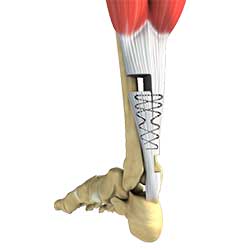
Tendon repair surgery is performed to repair a torn or ruptured tendon and restore normal function and movement to the joint. It is usually performed by arthroscopy. An arthroscope is a thin, pencil-like device fitted with a camera and a light source. The arthroscope is inserted through a small incision which allows your surgeon to view images of the torn tendon on a monitor and help operate miniature surgical instruments to perform the surgery.
What are Tendon Tears?
Partial or complete detachment of the tendon from the bone is called a tendon tear or a tendon rupture. Tendons are fibrous, flexible bands of connective tissue which connect muscles to the bones. Muscle contractions generate forces that are transferred to the bone through the tendon to enable walking, running or various other types of movement in the body. Tendon tears commonly occur at the shoulder joint, knee joint, hip joint, elbow joint, and ankle joint.
Causes of Tendons Tears
Common causes of tendon tear or rupture include:
- Direct trauma
- Sports injury
- Aging
- Excessive loading and stress on the tendon
- Injection of certain medications in the joint
Symptoms of Tendon Tears
The symptoms vary with the severity of the tendon tear. Common symptoms include:
- A popping or snapping sound when an injury occurs
- Pain and weakness of the joint
- Bruising around the tear
- Inability to lift or move the affected leg or arm
- Decreased weight-bearing capacity
Indications for Tendon Repair Surgery
Tendon repair surgery is indicated if you:
- Have severe pain following a tendon tear
- Need to return to an active lifestyle or sport without delay
- Are not responding to medications or non-surgical methods
- Are at low risk of a tendon re-tear after the surgery
Preparation before the Surgery
Your doctor will assess your symptoms and perform a physical examination. Imaging studies such as an X-ray, CT-scan, ultrasound or MRI may be ordered to further explore the extent of the damage.
Procedure
The surgery involves the following steps:
- You may be given general anesthesia or regional anesthesia.
- One or more incisions are made at the skin near the joint.
- An arthroscope is inserted through the incision.
- Miniature surgical instruments are inserted to remove the damaged part of the tendon and injured surrounding tissue.
- The damaged ends of the tendon are sewn together. Care is taken to prevent damage to nearby nerves or blood vessels.
- A suture anchor may be used to reattach a completely torn tendon to the bone.
- The incision is closed and covered with a bandage.
Recovery after the Surgery
Recovery includes the following:
- Depending on the injured area, the injured joint will be supported with a splint or sling or you will be encouraged to keep weight off your leg and avoid activities which may cause a re-tear.
- Painkillers will be prescribed to manage pain.
- Physical therapy instructions will be given to teaching exercises for flexibility, range of motion and strength-building.

Richard Judd Robins
MD, FAAOS, FAANA Dual Board Certified in Orthopaedic Surgery and Sports Medicine
Dr. Robins brings more than 26 years of experience in military service, orthopaedic surgery, sports medicine, clinical care, and academic leadership. Throughout his distinguished career, he has dedicated himself to caring for active-duty military personnel, athletes, and patients with complex orthopaedic injuries while advancing education, research, and mentorship in orthopaedic sports medicine.
Why Choose Dr. Robins for Tendon Repair Surgery?
Successful tendon repair requires surgical expertise, careful treatment planning, and a structured rehabilitation program. Dr. Robins provides comprehensive orthopaedic care designed to maximize healing and long-term function.
Dr. Robins offers:
- Dual board certification in Orthopaedic Surgery and Orthopaedic Sports Medicine
- Fellowship training in Orthopaedic Sports Medicine
- Extensive experience treating sports-related tendon injuries
- Expertise in minimally invasive and arthroscopic tendon repair techniques
- Comprehensive evaluation and diagnosis of tendon disorders
- Personalized treatment plans tailored to each patient's needs and goals
- Individualized rehabilitation protocols to optimize recovery
- Commitment to helping patients safely return to work, sports, and recreational activities
Whether your injury involves the shoulder, knee, hip, elbow, or ankle, Dr. Robins is dedicated to helping you achieve the best possible recovery.
Tendon Repair Surgery FAQs
What is tendon repair surgery?
Tendon repair surgery is a procedure performed to reconnect or repair a torn or ruptured tendon. The goal is to restore normal movement, strength, and function to the affected joint or extremity.
Which tendon injuries may require surgery?
Surgery may be recommended for significant tendon tears involving the rotator cuff, biceps tendon, quadriceps tendon, patellar tendon, Achilles tendon, hamstring tendons, and other major tendons that affect joint function.
Is tendon repair always performed arthroscopically?
Many tendon repairs can be performed using minimally invasive arthroscopic techniques. However, some severe or complex injuries may require an open surgical approach depending on the location and extent of the tear.
How soon should a torn tendon be treated?
Prompt evaluation is important. Some tendon injuries benefit from early surgical intervention to improve healing potential and restore function before the tendon retracts or becomes more difficult to repair.
How long does recovery take after tendon repair surgery?
Recovery varies depending on the tendon involved and the severity of the injury. Most patients require several weeks of protection followed by physical therapy. Full recovery may take several months.
Will I need physical therapy after surgery?
Yes. Physical therapy is a critical component of recovery and helps restore flexibility, range of motion, strength, and function while reducing the risk of re-injury.
Can I return to sports after tendon repair surgery?
Many patients successfully return to sports and physical activities after tendon repair. Return-to-play timelines vary based on the injury, healing progress, and completion of rehabilitation.
Schedule a Tendon Repair Surgery Consultation in Salt Lake City, UT
If you have suffered a tendon injury and are experiencing pain, weakness, or limited function, expert orthopaedic care can help you get back to the activities you enjoy. Dr. Richard Judd Robins provides advanced tendon repair surgery for patients throughout Salt Lake City, Park City, Farmington, South Jordan, and nearby Utah communities.
Schedule your consultation today to learn more about your treatment options. Take the first step toward restoring strength, mobility, and confidence with specialized tendon repair care from Dr. Robins.