Expert Meniscal Surgery for Knee Pain & Sports Injuries
A torn meniscus can cause knee pain, swelling, stiffness, and difficulty performing everyday activities or participating in sports. Whether your injury resulted from a sudden twist during athletic activity or developed gradually due to age-related wear and tear, timely evaluation and treatment can help restore knee function and prevent further joint damage.
Dr. Richard Judd Robins, a dual board-certified orthopaedic surgeon with subspecialty certification in Orthopaedic Sports Medicine, specializes in advanced meniscal surgery for patients throughout Salt Lake City, Park City, Farmington, South Jordan, and surrounding Utah communities. Using state-of-the-art arthroscopic techniques and personalized treatment plans, Dr. Robins helps patients recover from meniscus injuries and return to active lifestyles with confidence.
- Salt Lake City
- Farmington
- Salt Lake City
- Book An Appointment
What is Meniscal Surgery?
Meniscal surgery is a surgical procedure employed for the treatment of torn or damaged meniscal tissues in the knee. It is mostly performed as a minimally invasive keyhole procedure.
What is Anatomy of the Meniscus?
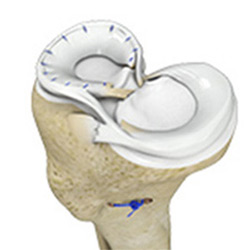
Two wedge-shaped cartilage pieces are present between the thighbone and the shinbone. These are called menisci. They stabilize the knee joint and act as shock absorbers.
What are Meniscal Tears?
A meniscus tear is a common knee injury in athletes, especially those involved in contact sports. A sudden bend or twist in your knee can cause the meniscus to tear. This is a traumatic meniscal tear. The elderly are more prone to degenerative meniscal tears as the cartilage wears out and weakens with age.
What are the Symptoms of Meniscal Tears?
A torn meniscus causes pain, swelling, stiffness, catching or locking sensation in your knee, making you unable to move your knee through its complete range of motion.
How are Meniscal Tears Diagnosed?
Your orthopedic surgeon will examine your knee, evaluate your symptoms and medical history before suggesting a treatment plan.
What is the Treatment for Meniscal Tears?
The treatment of a meniscal tear depends on the type, size, and location of the tear, as well as your age and activity level. If the tear is small, with damage limited to the outer edge of the meniscus, non-surgical treatment may be sufficient. However, if the symptoms do not resolve with non-surgical treatment, surgical treatment may be recommended.
Surgical Treatment of Meniscal Tears
Knee arthroscopy is the commonly recommended surgical procedure for meniscal tears. The surgical treatment options include:
- Meniscus removal (meniscectomy)
- Meniscus repair
- Meniscus replacement
Surgery can be performed using arthroscopy where a small camera will be inserted through a small incision, which enables your surgeon to view the inside of your knee on a large screen.
The surgery will be performed through other small incisions. During meniscectomy, small instruments called shavers or scissors may be used to remove the torn meniscus.
In arthroscopic meniscus repair, the torn meniscus will be pinned or sutured depending on the extent of the tear.
Meniscus replacement or transplantation involves the replacement of a torn cartilage with the cartilage obtained from a donor or a cultured patch obtained from the laboratory. It is considered as a treatment option to relieve knee pain if you have undergone meniscectomy.

Richard Judd Robins
MD, FAAOS, FAANA Dual Board Certified in Orthopaedic Surgery and Sports Medicine
Dr. Robins brings more than 26 years of experience in military service, orthopaedic surgery, sports medicine, clinical care, and academic leadership. Throughout his distinguished career, he has dedicated himself to caring for active-duty military personnel, athletes, and patients with complex orthopaedic injuries while advancing education, research, and mentorship in orthopaedic sports medicine.
Why Choose Dr. Richard Judd Robins for Meniscal Surgery?
Choosing an experienced sports medicine surgeon is essential for achieving the best possible outcome following a meniscus injury.
Dr. Robins offers:
- Dual board certification in Orthopaedic Surgery and Orthopaedic Sports Medicine
- Fellowship training in Orthopaedic Sports Medicine
- Extensive experience treating athletes, military personnel, and active adults
- Advanced expertise in arthroscopic knee surgery and meniscus preservation techniques
- Personalized treatment plans based on the type of tear, activity level, and long-term goals
- Comprehensive care from diagnosis through rehabilitation
- Commitment to preserving knee function and helping patients return to the activities they enjoy
Whether you have a sports-related meniscus injury or a degenerative meniscal tear, Dr. Robins is dedicated to providing individualized care focused on restoring knee health and mobility.
Meniscal Surgery FAQs
What is a meniscus tear?
A meniscus tear is an injury to the cartilage that cushions and stabilizes the knee joint. Tears may occur suddenly during sports activities or develop gradually as part of the aging process.
Do all meniscus tears require surgery?
No. Many meniscus tears can be treated successfully with rest, activity modification, physical therapy, anti-inflammatory medications, and other conservative treatments. Surgery may be recommended if symptoms persist or the tear is unlikely to heal on its own.
What types of meniscal surgery are available?
Depending on the location and severity of the tear, treatment may involve meniscus repair, partial meniscectomy (removal of damaged tissue), or, in select cases, meniscus transplantation.
Is meniscal surgery performed arthroscopically?
Yes. Most meniscal procedures are performed using minimally invasive arthroscopic techniques through small incisions, which typically result in less postoperative discomfort and a faster recovery compared to traditional open surgery.
How long does recovery take after meniscal surgery?
Recovery varies depending on the procedure performed. Patients who undergo a meniscectomy often recover more quickly, while meniscus repair generally requires a longer rehabilitation period to allow proper healing.
When can I return to sports after meniscal surgery?
Return-to-sport timelines depend on the type of surgery, healing progress, and rehabilitation goals. Dr. Robins will guide you through a personalized recovery plan and determine when it is safe to resume athletic activities.
Schedule a Meniscal Surgery Consultation in Salt Lake City, UT
If knee pain, swelling, locking, or instability is affecting your quality of life, expert evaluation can help determine the most effective treatment for your condition. Dr. Richard Judd Robins provides advanced meniscal surgery and comprehensive sports medicine care for patients throughout Salt Lake City, Park City, Farmington, South Jordan, and surrounding Utah communities.
Schedule your consultation today to learn more about your treatment options and take the first step toward relieving knee pain, restoring mobility, and returning to the sports and activities you enjoy.